
Pass CompTIA Network+ Certification Exam in First Attempt Guaranteed!
Get 100% Latest Exam Questions, Accurate & Verified Answers to Pass the Actual Exam!
30 Days Free Updates, Instant Download!


N10-009 Premium Bundle
- Premium File 768 Questions & Answers. Last update: Oct 01, 2026
- Training Course 240 Video Lectures
- Study Guide 128 Pages
N10-009 Premium Bundle
- Premium File 768 Questions & Answers
Last update: Oct 01, 2026 - Training Course 240 Video Lectures
- Study Guide 128 Pages
Purchase Individually
Premium File
Training Course

Study Guide
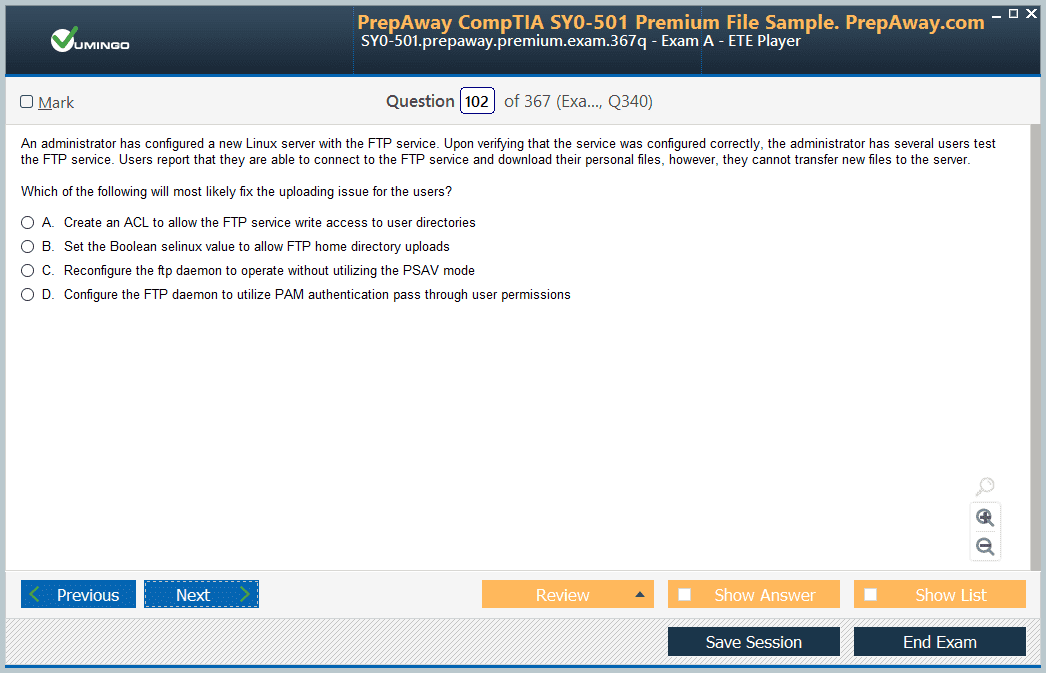
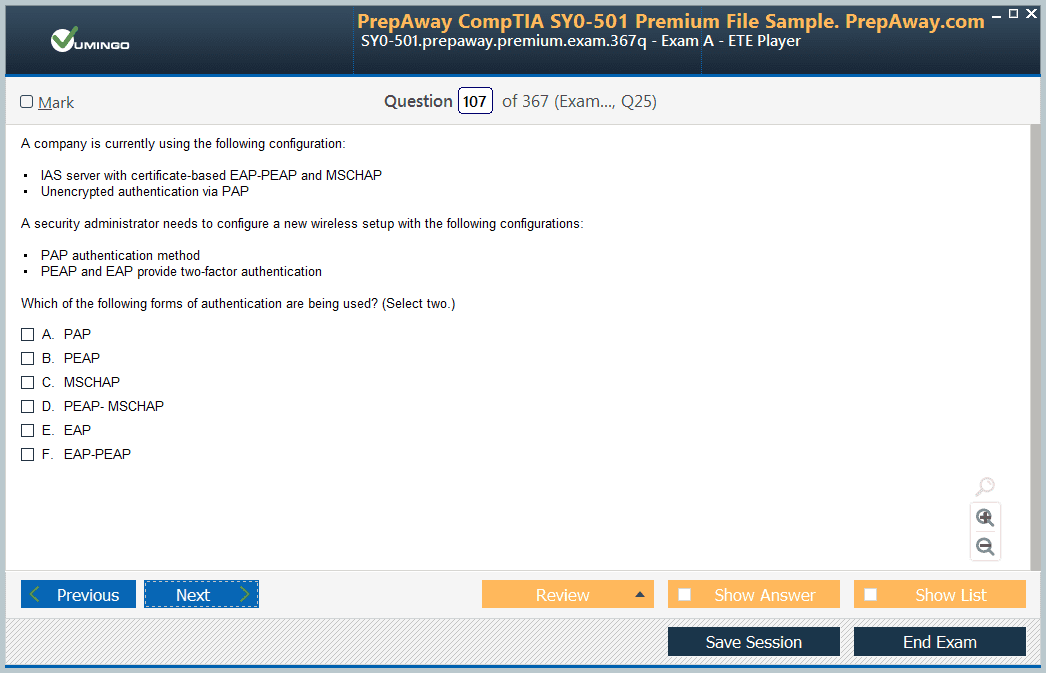
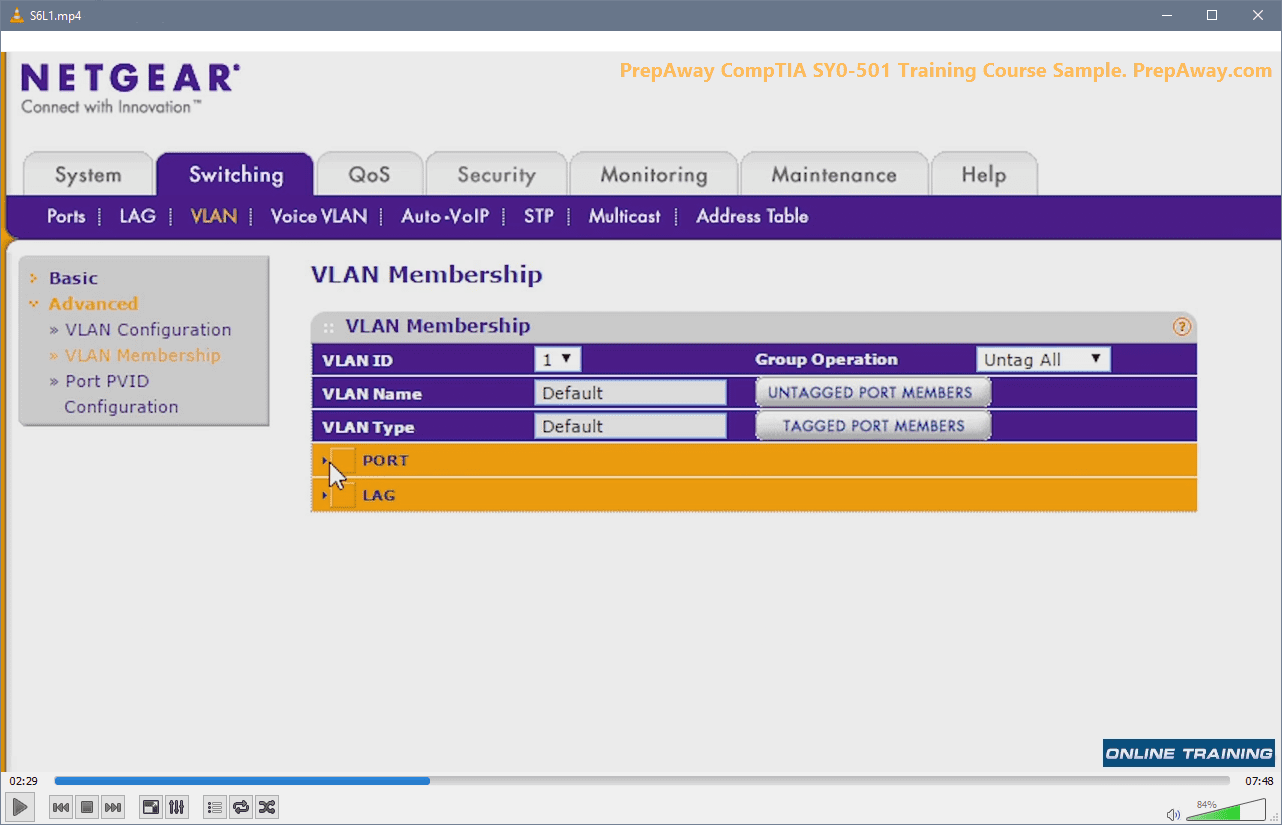
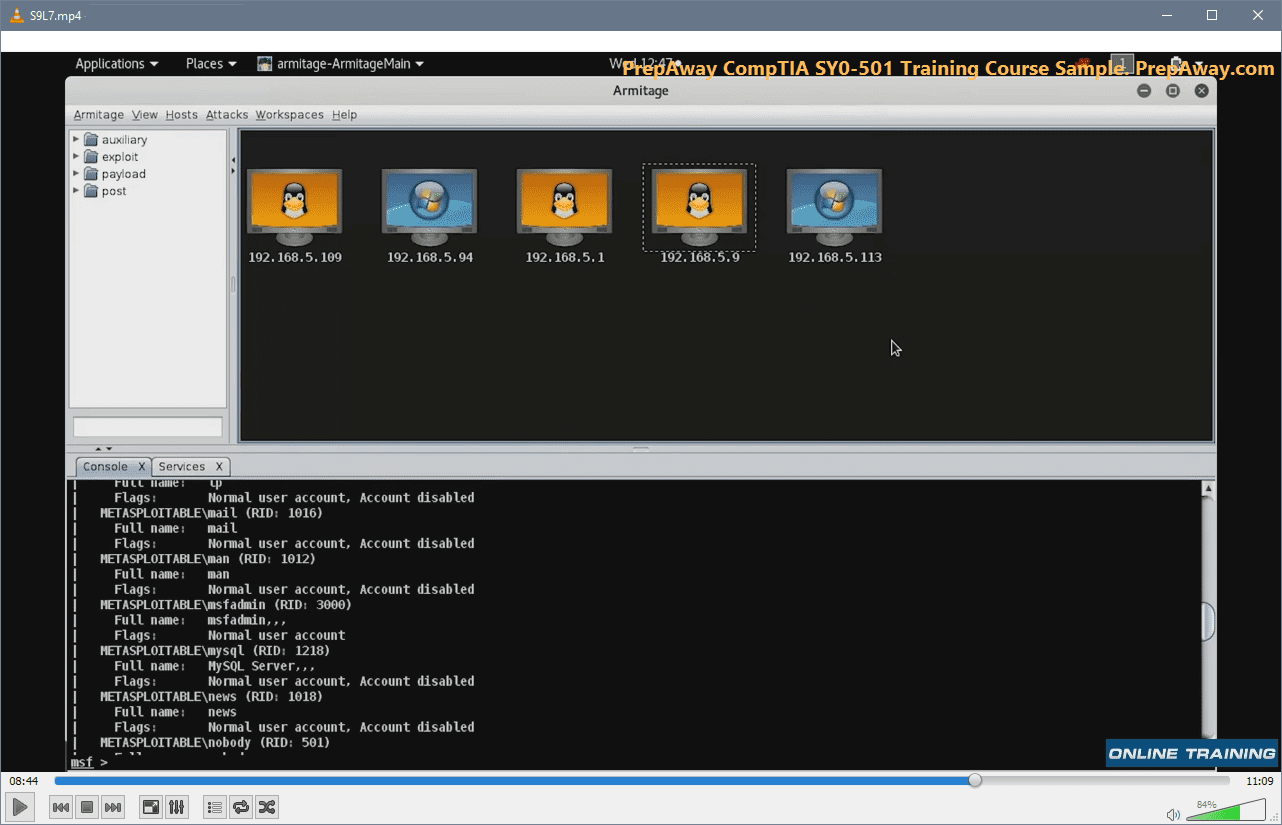
N10-009 Exam - CompTIA Network+
| Download Free N10-009 Exam Questions |
|---|
CompTIA CompTIA Network+ Certification Practice Test Questions and Answers, CompTIA CompTIA Network+ Certification Exam Dumps
All CompTIA CompTIA Network+ certification exam dumps, study guide, training courses are prepared by industry experts. CompTIA CompTIA Network+ certification practice test questions and answers, exam dumps, study guide and training courses help candidates to study and pass hassle-free!
CompTIA Network+ N10-009: Vendor-Neutral Networking for 2026
CompTIA Network+ remains the vendor-neutral networking certification for technicians and junior network professionals who need to understand how networks are designed, implemented, secured, operated, and troubleshot. The current exam is N10-009. The blueprint covers networking concepts, implementation, operations, security, and troubleshooting with enough cloud, wireless, virtualization, and modern infrastructure context to reflect today’s environments.
The current CompTIA Network+ path is particularly useful for people who want broader networking knowledge without committing immediately to one vendor. The CompTIA certifications portfolio also lets candidates extend into Security+, Cloud+, Linux+, or role-specific cybersecurity work.
Networking Concepts Should Become a Packet-Path Mental Model
Learn the OSI and TCP/IP models as troubleshooting tools, not memorization exercises. Understand Ethernet, IP, TCP, UDP, ports, protocols, MAC addressing, ARP or neighbor discovery, routing, switching, NAT, DNS, and DHCP by following what happens when one endpoint contacts another service.
When you can narrate the path, symptoms become easier to isolate. A name-resolution failure is different from routing loss; a TCP timeout is different from an authentication failure; a VLAN problem creates different evidence than a DNS error.
Subnetting and Addressing Need Operational Fluency
IPv4 subnetting remains essential because addressing mistakes affect routing, DHCP, ACLs, segmentation, and troubleshooting. The PrepAway guide to IPv4 subnetting can reinforce network boundaries and prefix reasoning. Practice until common prefixes are quick enough that arithmetic does not distract you from the scenario.
Include IPv6. Learn address types, neighbor discovery, routing basics, and how dual-stack environments create parallel paths. Modern network support cannot assume IPv4 is the only address family in use.
Implementation Includes Wired, Wireless, and Virtual Networks
Understand switching, VLANs, trunks, spanning-tree concepts, link aggregation, routing, wireless standards, access points, cabling, transceivers, and physical topology. Then add virtual networking, cloud connectivity, and software-defined concepts so you can recognize where physical and logical boundaries differ.
Wireless troubleshooting should include RF conditions, authentication, addressing, interference, roaming, and upstream network health. A weak user experience can have a radio cause, but it can also be DHCP, DNS, WAN, or application latency.
Network Operations Depend on Documentation and Baselines
Networks are easier to support when diagrams, addressing plans, interface descriptions, inventories, change records, and known-good performance baselines are accurate. Documentation is not clerical overhead; it is part of operational resilience.
The PrepAway discussion of Network+ skills in systems work illustrates how broad networking knowledge supports daily operations. Monitor utilization, errors, latency, loss, device health, and service availability so changes can be compared against normal behavior.
Security Belongs Inside Network Design
Study segmentation, firewalls, ACLs, VPNs, secure management, wireless security, authentication, physical security, and common network attacks. A secure network should enforce trust boundaries while still supporting required application flows.
The PrepAway guide to network security administration adds role context. Avoid solving connectivity problems by opening broad firewall rules. Identify the exact flow, verify the policy, and change only what is necessary.
Troubleshooting Should Narrow the Fault Domain Before Changing Anything
The PrepAway overview of common network issues is most useful when converted into a repeatable method. Define the symptom and scope, establish what still works, identify the first failing boundary, collect evidence, form a hypothesis, make the smallest corrective change, and verify the whole service.
Use tools intentionally: ping for reachability, traceroute for path behavior, DNS utilities for name resolution, packet capture for protocol evidence, interface counters for errors, and logs for state changes. Know what each tool cannot prove as well as what it can.
Cloud and Hybrid Networks Still Use Core Networking Principles
Cloud networking introduces virtual networks, route tables, gateways, load balancers, private connectivity, and software-defined controls, but the fundamental questions remain familiar: what is the source, destination, route, name, policy, and failure domain?
Candidates moving deeper into cloud operations may later pursue Cloud+. Network+ provides the connectivity foundation that makes cloud networking less mysterious and helps you distinguish infrastructure issues from application problems.
Many candidates come from A+, where networking is one part of endpoint support. Network+ goes deeper into implementation and operations. From there, Security+ adds broader cybersecurity, while vendor-specific credentials such as CCNA add platform configuration and deeper routing or switching.
The PrepAway comparison of Network+ and CCNA can help you decide whether your next step should remain vendor-neutral or move into Cisco-specific implementation. Neither path is universally better; the right choice depends on your role and environment.
Build a Lab That Includes Both Configuration and Failure
Create VLANs, routed subnets, DHCP, DNS, wireless access, and simple firewall policy in a simulator or home lab. Then break one thing at a time: wrong mask, missing route, incorrect DNS, blocked port, bad trunk, duplicate IP, or wireless misconfiguration.
Document the fault, the evidence, and the fix. Run mixed scenarios near the end of preparation so you cannot rely on knowing which domain the problem came from. Real networks do not label incidents by exam objective.
Network performance troubleshooting should separate latency, loss, bandwidth, jitter, congestion, and application response. A slow service may have enough bandwidth but excessive latency, or a clean path may still suffer application-side processing delay. Measure before concluding that “the network is slow.”
Redundancy and high availability also need operational context. Dual links, redundant switches, multiple WAN connections, and load balancers reduce risk only when failover works and capacity remains sufficient. Practice identifying single points of failure and thinking about what happens during maintenance as well as unexpected outages.
Time, logging, and monitoring are easy to underestimate. Accurate NTP, consistent device logs, interface counters, SNMP or telemetry, and configuration backups make troubleshooting far faster. A network without trustworthy timestamps is difficult to investigate because events cannot be correlated reliably.
Change management matters even in small networks. Record the intended change, expected impact, validation steps, and rollback. If a configuration fix works, confirm that unrelated users and services still function. This habit prepares Network+ candidates for more advanced operational roles.
For final practice, run mixed incidents in which the visible symptom does not reveal the domain. A user might report an application failure caused by DNS, a wireless issue caused by DHCP exhaustion, or an apparent firewall problem caused by asymmetric routing. The goal is to narrow the fault domain from evidence rather than from the wording of the ticket.
DNS and DHCP deserve more than acronym-level study because they cause many real outages. Trace the DHCP process, understand scopes and reservations, and recognize APIPA or wrong-gateway symptoms. For DNS, distinguish client configuration, resolver reachability, cache behavior, record problems, and authoritative-server issues.
Physical infrastructure still matters in virtual and cloud-heavy networks. Know copper and fiber characteristics, connectors, transceivers, PoE, interface negotiation, and environmental considerations. A routing configuration cannot fix a damaged optic or incorrectly terminated cable.
QoS should be understood as congestion management. Learn classification, marking, queuing, shaping, and policing conceptually, and know why voice or interactive applications care about latency and jitter. QoS does not create bandwidth; it decides how limited bandwidth is treated during contention.
Access control and network segmentation should be validated from the application point of view. Define which hosts or users need which services, then verify both permitted and denied traffic. A rule that blocks attackers but also breaks required business traffic is not a successful implementation.
Network diagrams should show more than device icons. Include subnets, VLANs, gateways, WAN links, wireless coverage, security boundaries, and important services so that an incident can be mapped to a real path. Keep the diagram current enough to be trusted during change or outage work.
Before the exam, explain several network failures out loud from the first symptom to the final validation. If your reasoning jumps directly to a favorite tool or protocol, slow down and rebuild the troubleshooting sequence from observable evidence.
Practice reading simple packet captures so that protocol behavior is not abstract. Identify ARP, DNS, TCP handshakes, retransmissions, and basic application traffic. Packet analysis is especially valuable when endpoint tools disagree about what is happening.
Know when to escalate. If evidence shows the local network is healthy and the fault belongs to an ISP, cloud service, security team, or application owner, provide a concise handoff instead of changing healthy infrastructure.
Keep a compact port-and-protocol reference during study, but pair every port number with the service purpose and traffic pattern. Knowing that a port exists is less useful than recognizing what failure of that service would look like on the network.
Network+ readiness shows when you can explain not only which tool to use, but what result would confirm or disprove your current hypothesis.
Final Readiness Check
- Use N10-009 material for current preparation.
- Trace packet paths across addressing, switching, routing, DNS, security, and applications.
- Practice subnetting, IPv6, wireless, cloud networking, and operational documentation.
- Use troubleshooting tools because of what they prove, not because they are familiar.
- Choose your next step—Security+, Cloud+, Linux+, or CCNA—based on the work you want to perform.
Network+ is valuable because networking concepts travel well between vendors and platforms. If you can explain the path, isolate the fault, and verify the service after a change, you are building a durable networking foundation rather than memorizing a product interface.
CompTIA Network+ certification practice test questions and answers, training course, study guide are uploaded in ETE files format by real users. Study and pass CompTIA CompTIA Network+ certification exam dumps & practice test questions and answers are the best available resource to help students pass at the first attempt.




Anyone who has recently written N+ (N10-006) , are these dumps are valid? I've just finished reading the book i need something i can prepare with for exam.
Thank you in advance.